
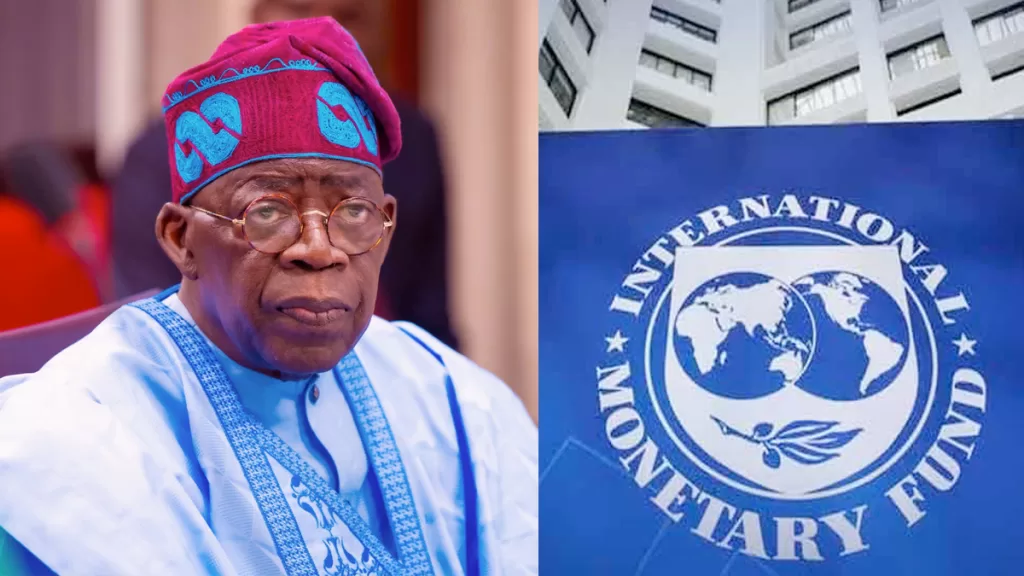
Nearly two years after President Bola Ahmed Tinubu introduced sweeping economic reforms intended to recalibrate Nigeria’s troubled finances, the International Monetary Fund (IMF) says the gains have yet to filter down to everyday citizens.
In a statement released Friday, Axel Schimmelpfennig, IMF Mission Chief for Nigeria, acknowledged the government’s efforts to stabilise the economy, but pointed out that “poverty and food insecurity remain high” across the country.
“The government has taken important steps to stabilise the economy, enhance resilience, and support growth,” Schimmelpfennig said. “But those gains have yet to benefit all Nigerians.”
The remarks followed nearly two weeks of consultations between the IMF and Nigerian officials, alongside civil society groups, as part of a routine economic assessment.
Since taking office in May 2023, President Tinubu has ushered in bold—yet controversial—reforms. These include the removal of long-standing fuel subsidies, liberalisation of the naira, and halting the Central Bank’s practice of funding fiscal deficits. While these measures have won praise from international financial institutions for tackling inefficiencies and market distortions, they have also triggered painful economic consequences for millions.
The reforms were introduced amid surging inflation, a weakened currency, and skyrocketing costs of basic goods—conditions that have exacerbated a deepening cost-of-living crisis. According to the World Bank, more than 129 million Nigerians—over half the population—are now living in poverty.
“The outlook is marked by significant uncertainty,” Schimmelpfennig cautioned, pointing to falling oil prices and global economic turbulence as ongoing risks to Nigeria’s recovery. However, he noted that the current policy direction places the country “in a better position to navigate this external environment.”
With public patience wearing thin and economic distress reaching new highs, the IMF’s assessment underscores the urgent need for reforms to produce not just macroeconomic stability—but meaningful improvements in the lives of ordinary Nigerians.