

The Economic and Financial Crimes Commission (EFCC) has launched a sweeping investigation into a suspected $847 million (₦1.3 trillion) crypto Ponzi scheme run through the digital platform CryptoBank Exchange (CBEX), which abruptly collapsed this week—wiping out thousands of Nigerian investors’ savings.
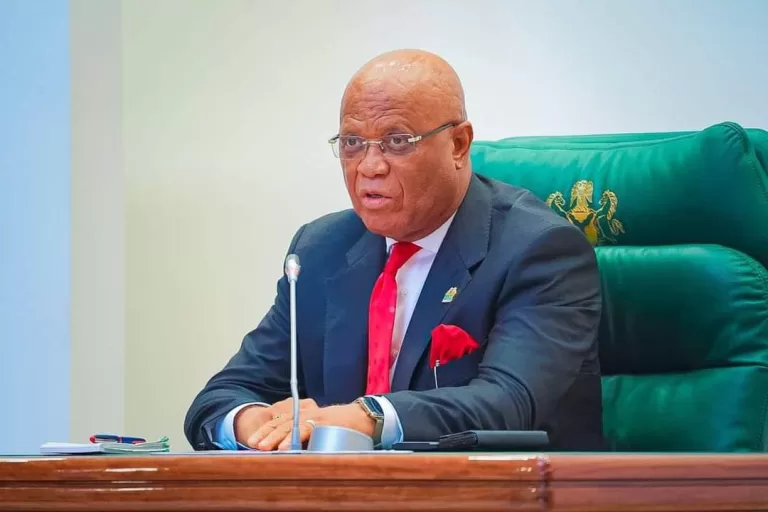
The EFCC spokesperson, Dele Oyewale, confirmed that the agency had been monitoring the platform prior to its implosion and is now working with the International Criminal Police Organisation (INTERPOL) to track down foreign and Nigerian operatives linked to the scheme.
“We had intelligence before the collapse. Now, we’re targeting the major actors and their collaborators,” Oyewale told reporters. “Nigerians must be protected from these digital predators.”
CBEX, aggressively promoted across social media platforms, promised unrealistic returns of up to 100% in just 30 days. The platform locked user withdrawals on April 9, 2025, and days later required fresh deposits before unlocking accounts—triggering a final wave of false hope before disappearing entirely.
Unconfirmed reports suggest that both local and foreign investors lost access to $847 million in digital assets—an economic shock reverberating across Nigeria’s fragile financial landscape.
Street-Level Chaos
In cities like Ibadan and Abuja, frustration boiled over. Aggrieved investors stormed CBEX offices, vandalizing furniture and equipment in a desperate bid to reclaim lost funds. Law enforcement—including the Nigeria Police and Amotekun security corps—have since been deployed to maintain order.
A source at the Abuja office said staff have gone into hiding. “The instruction was clear: lock the gates. Don’t let anyone in,” said a private security guard. “It’s tense out here.”
Voices from the Fallout
For many, the losses are deeply personal.
“I lost $1,000—my bridal savings,” Instagram user @the_real_aduke posted. “I don’t even know how to tell my fiancé.”
A Facebook user wrote of her brother who lost his school fees. “He can’t even face our parents.”
Others admitted to bringing in friends and family—only to see them burned.
“I introduced three friends who invested $8,000,” one businessman lamented. “I feel sick. I don’t know how to tell them it’s gone.”
Government Warnings Ignored
Just days before the collapse, Nigeria’s Securities and Exchange Commission (SEC) reiterated warnings against unregistered investment platforms. Under the new Investment and Securities Act 2025, any entity offering online forex or crypto-related services must be licensed by the Commission.
SEC Director-General, Dr. Emomotimi Agama, noted that “unregulated platforms undermine market confidence and expose citizens to exploitation.”
Why It Keeps Happening
Experts say unchecked greed and poor financial literacy are fueling a surge in digital frauds.
“People want 100% returns in 30 days without understanding the risks,” said Kelechi Godfrey, a financial educator. “We don’t ask questions. Google is there. ChatGPT is there. But due diligence is still missing.”
Investment banker Segun Aremu echoed that sentiment. “It’s greed. Everyone wants big gains, no risks. This cycle will repeat until we get serious about financial education.”
The Bigger Picture
CBEX’s collapse follows a pattern. The EFCC earlier this year listed 58 companies involved in illegal investment schemes, some already facing prosecution. These firms—operating under the guise of agriculture, real estate, and forex trading—enticed Nigerians with quick profits and disappeared with investor funds.
The EFCC urges victims to come forward and promises recovery where possible. “We are committed to protecting the economic well-being of Nigerians,” said Oyewale.
But with digital scams becoming more sophisticated, many wonder if regulators can keep pace—or if another CBEX-style collapse is just around the corner.